Nature-based solutions: How Anammox bacteria make wastewater treatment more efficient


What are "red bugs"?
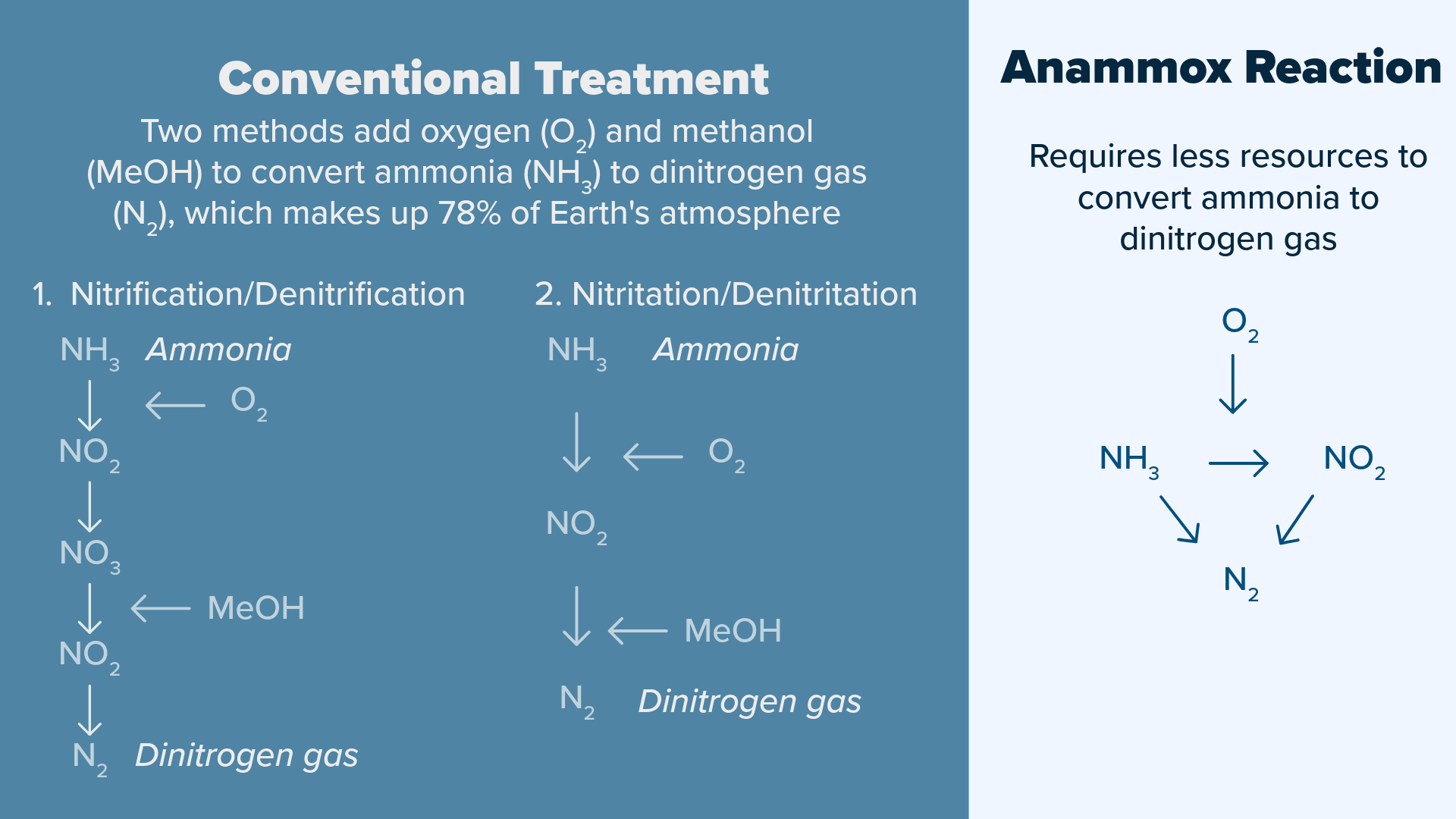
Anammox is short for "anaerobic ammonium oxidation", a chemical reaction that converts ammonia and nitrite to water and dinitrogen gas. These bacteria are a globally important part of the nitrogen cycle, responsible for 50% of nitrogen conversion in oceans. Scientists suspected their existence as early as the 1930s, but it wasn't until the late 1980s that they began researching applications for wastewater.
Wastewater naturally contains high concentrations of ammonia and nitrogen, which can be harmful to aquatic life if discharged into waterways untreated. Wastewater treatment plants are designed to remove these compounds before releasing treated water safely back into the environment.
Anammox has been successfully used in wastewater treatment processes in Europe and Asia with excellent results. However, only a few Anammox systems are currently in operation in the United States today.
Early on, AlexRenew was a groundbreaker in the field in the United States, conducting a pilot program in 2008 with DC Water, CH2M Hill, New York Department of Environmental Protection, and the University of Innsbruck. AlexRenew was also the first in the nation to design a full-scale side stream deammonification system. Our partners at Hampton Road Sanitation District are also innovators in the early use of Anammox.
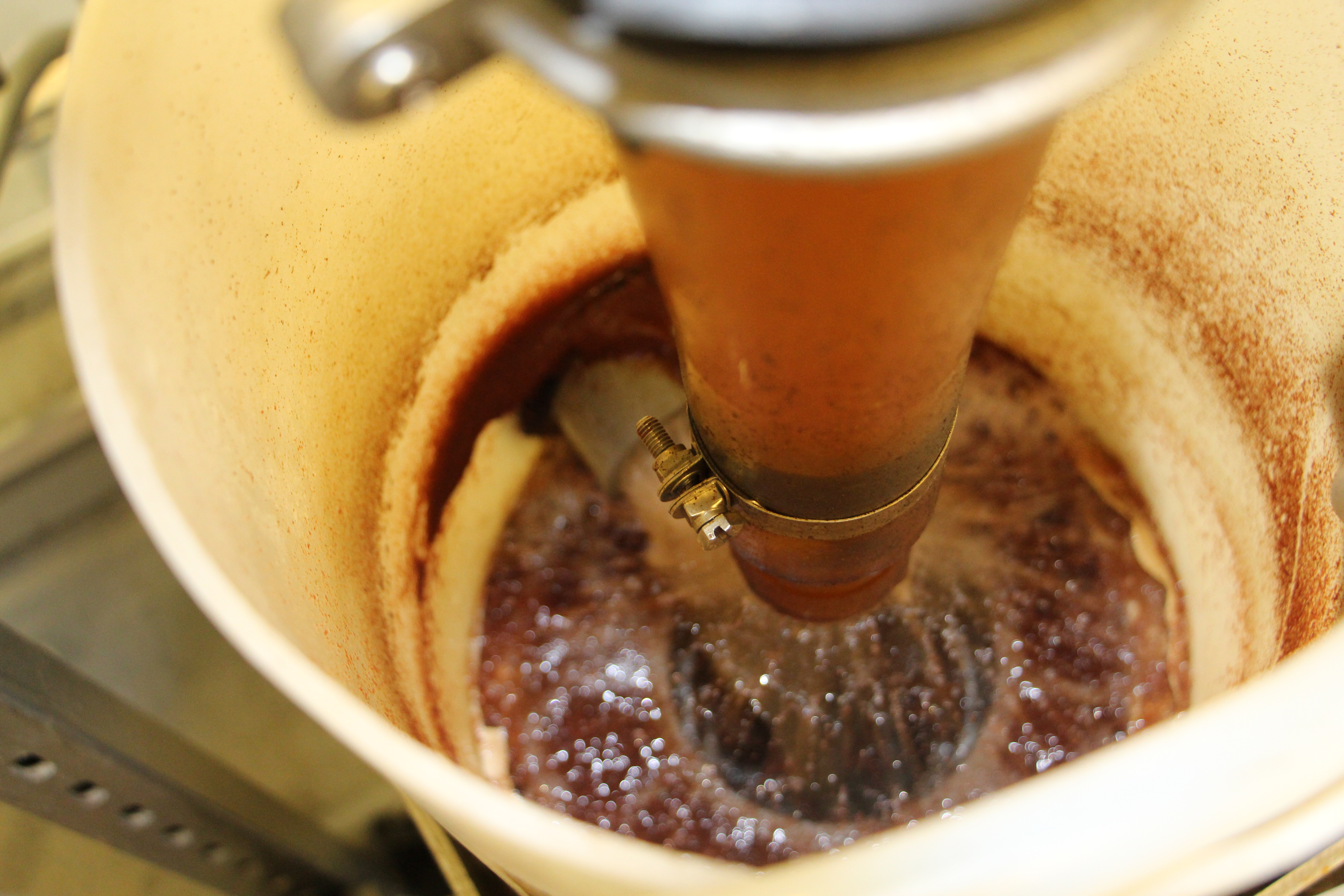
Over the past several months our team has worked to upgrade our Anammox side stream system to prepare for a new delivery of red bugs at our plant. Much like a sourdough starter, Anammox needs a small batch to seed new environments, and ours comes from the Hampton Roads Sanitation District. After the Anammox bacteria are acclimated to their new environment (a process that takes several months), they will go to work removing ammonia from our wastewater. The improved Anammox facility will reduce our greenhouse gas emissions and resource use, helping us to advance our sustainability goals and make our treatment process more efficient.
Stay tuned for the next step in our Anammox journey!