Per- and polyfluoroalkyl substances (PFAS)
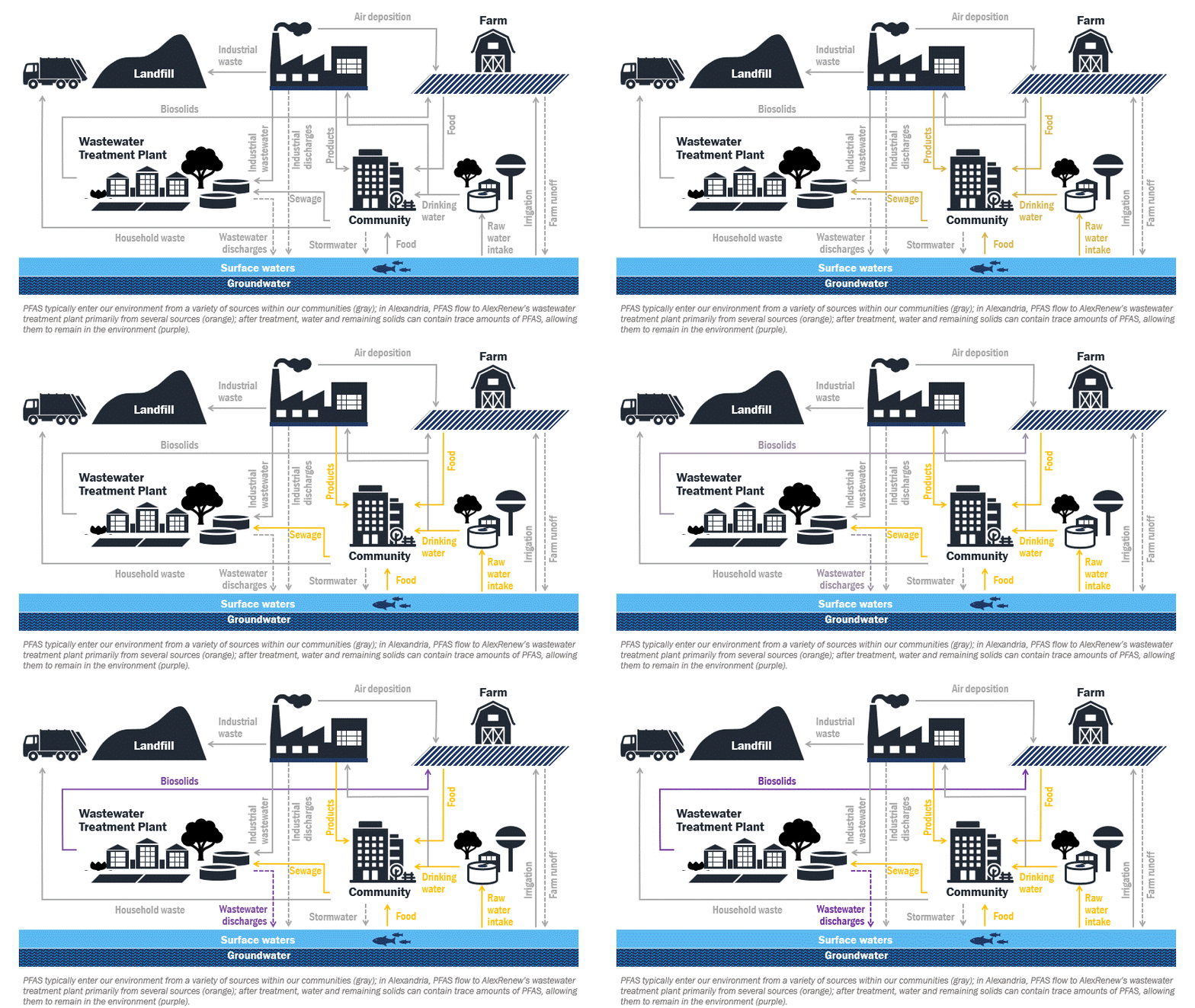
How PFAS enter our community and make their way to AlexRenew's wastewater treatment plant
Per- and polyfluoroalkyl substances (PFAS), often called forever chemicals, are a family of thousands of human-made compounds used in everyday products for their stain-resistant, fire-retardant, non-stick, and waterproof properties. Because these chemicals are widely used in everyday products, they often enter our environment through a variety of channels. Their strong molecular bond prevents them from breaking down naturally, making PFAS difficult to remove once released.
In Alexandria, PFAS primarily make their way to AlexRenew's wastewater treatment plant from homes and businesses. Even after treatment, both the water and the remaining solids can contain trace amounts of PFAS.
Working together to reduce PFAS
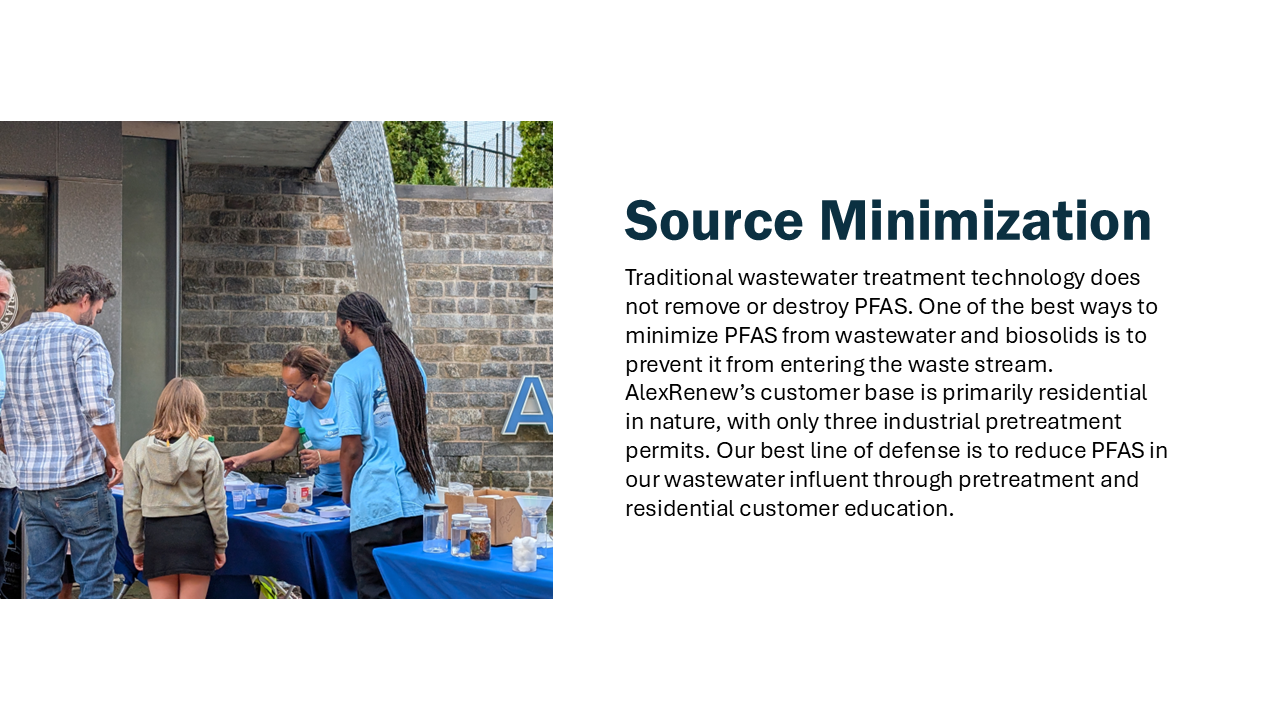
Traditional wastewater treatment technology does not remove or destroy PFAS, and water and wastewater utilities across the country are actively working with their communities on solutions. These chemicals are generated from within the community itself, and addressing this challenge will require a united effort from everyone. Together, we can reduce PFAS use, promote sustainable alternatives, and protect public health and our environment.
AlexRenew is leading the way to protect our community and environment by effectively managing what we receive, recover, and return to our waterways. We work closely with community members, listening to their concerns and work diligently in taking appropriate actions. Explore the slides below to learn more about our approach to managing PFAS.
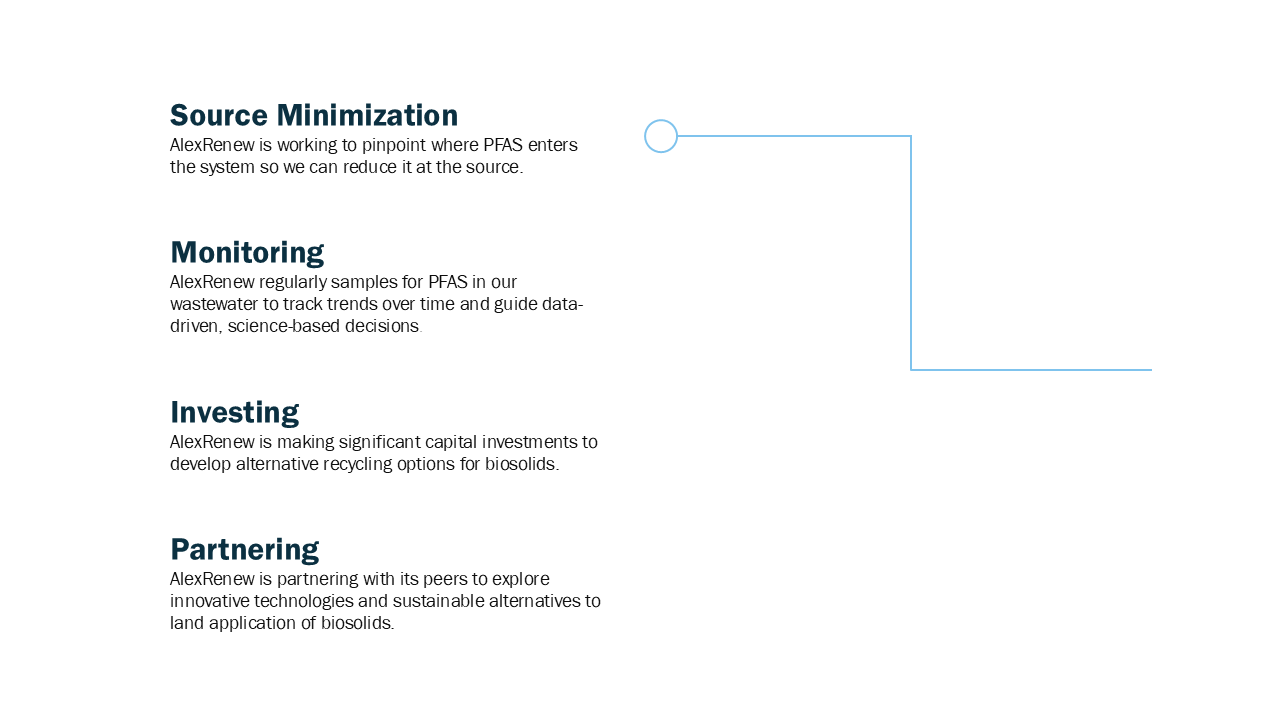
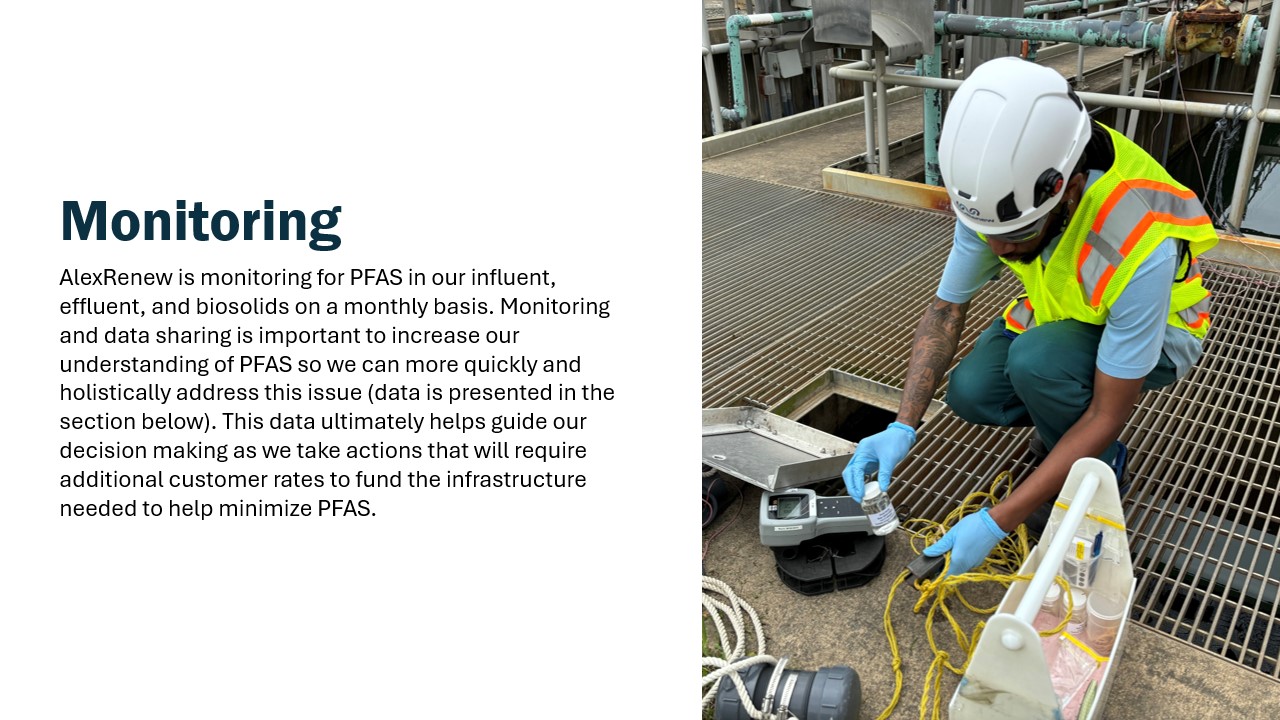
effluent, and biosolids on a monthly basis. Monitoring
and data sharing is important to increase our
understanding of PFAS so we can more quickly and
holistically address this issue (data is presented in the
section below). This data ultimately helps guide our
decision making as we take actions that will require
additional customer rates to fund the infrastructure
needed to help minimize PFAS.
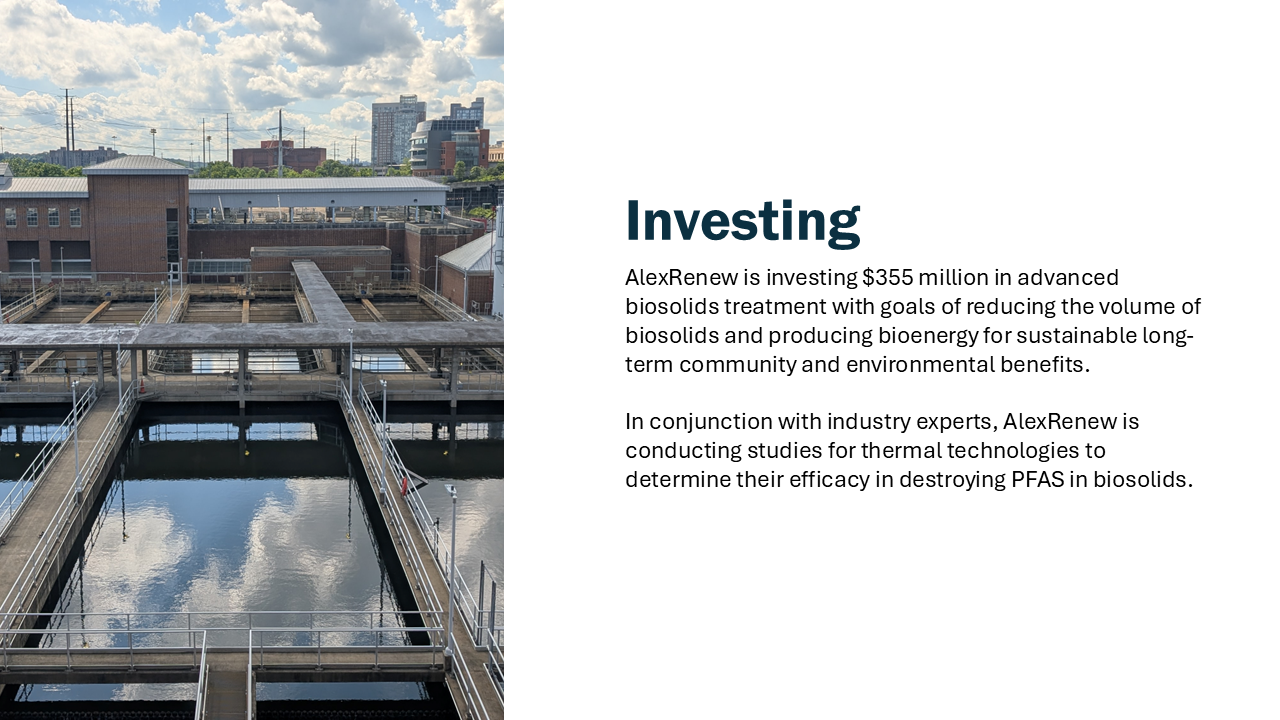
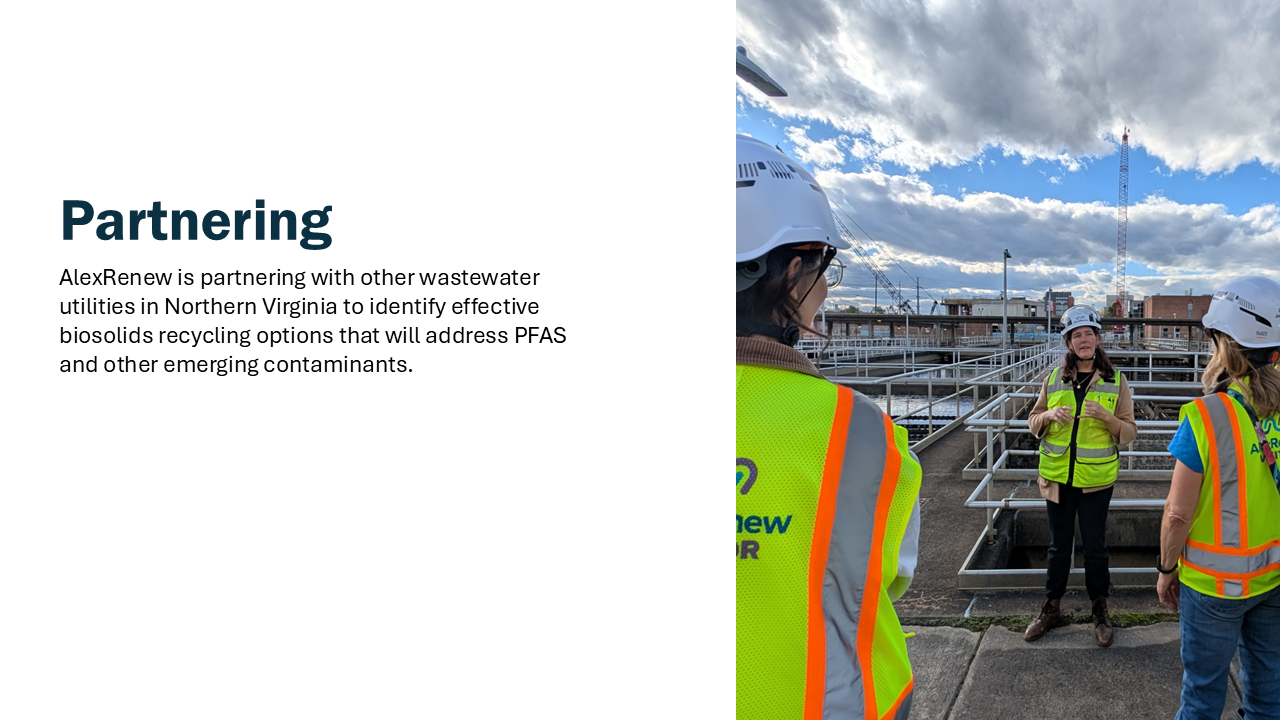
AlexRenew is taking a proactive approach to managing PFAS, which involves ongoing monitoring, sampling, significant capital investments, and collaboration with partners on regional solutions. We're taking a leading role in developing a roadmap for the management of PFAS in wastewater. Because we began PFAS testing before formal regulations were in place, we now have meaningful data to share with policy makers, the wastewater industry, and community partners. In addition to the $355 million we've invested in our biosolids diversification program, our efforts to develop a regional biosolids solution with neighboring wastewater utilities may also serve as a future model for other agencies nationwide. AlexRenew's goal is to help our entire community make informed decisions about the best path forward for reducing these chemicals over time.
Additional Resources for PFAS
Explore the dropdowns below to learn more about PFAS, AlexRenew's sampling data, biosolids, and what we can all do to help reduce PFAS in our community
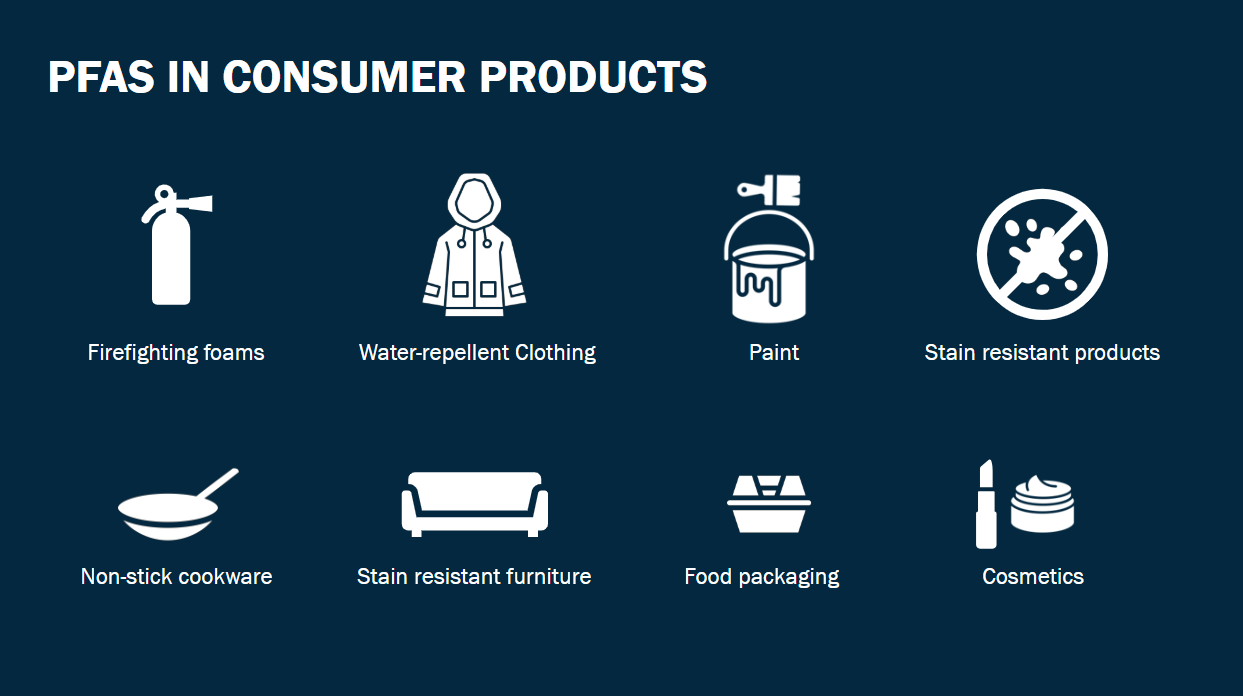
Per- and polyfluoroalkyl substances (PFAS) are a group of human-made compounds that have been in use for more than 70 years and are widespread in our environment. There are about 5,000 of these human-made compounds, which are resistant to heat, water, and oil. They are used to make numerous everyday products, including rainwear, shampoo, non-stick cookware, personal care products, stain-resistance products, paints, pesticides, food packaging, firefighting foams, electrical wiring insulation, and coating, etc.
The primary PFAS compounds of concern: PFOS (perfluorooctanesulfonic acid) and PFOA (perfluorooctanoic acid) were phased out of production in the United States in 2002 and 2015, respectively, but are still present in some imported products. The same properties that initially made PFAS desirable — their resistance to heat, oil, grease, and water — also make them very difficult to remove from the water cycle. Despite the fact many of the substances have been phased out of production, they are still found in our environment today.
PFOS (perfluorooctanesulfonic acid) and PFOA (perfluorooctanoic acid) are the primary PFAS compounds currently tested due to their widespread historical use, persistence in the environment, and potential health risks. Due to these factors, regulatory agencies and researchers focus on PFOS and PFOA to assess environmental and public health impacts, often serving as markers for broader PFAS contamination.
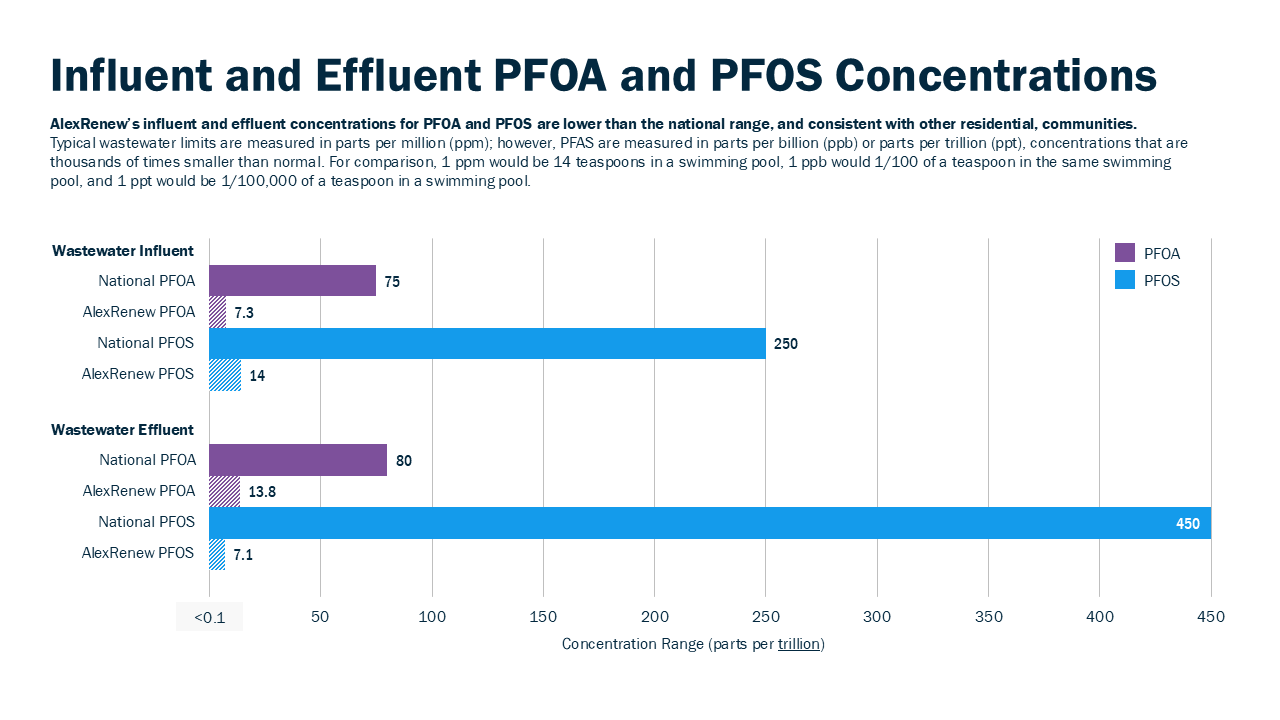
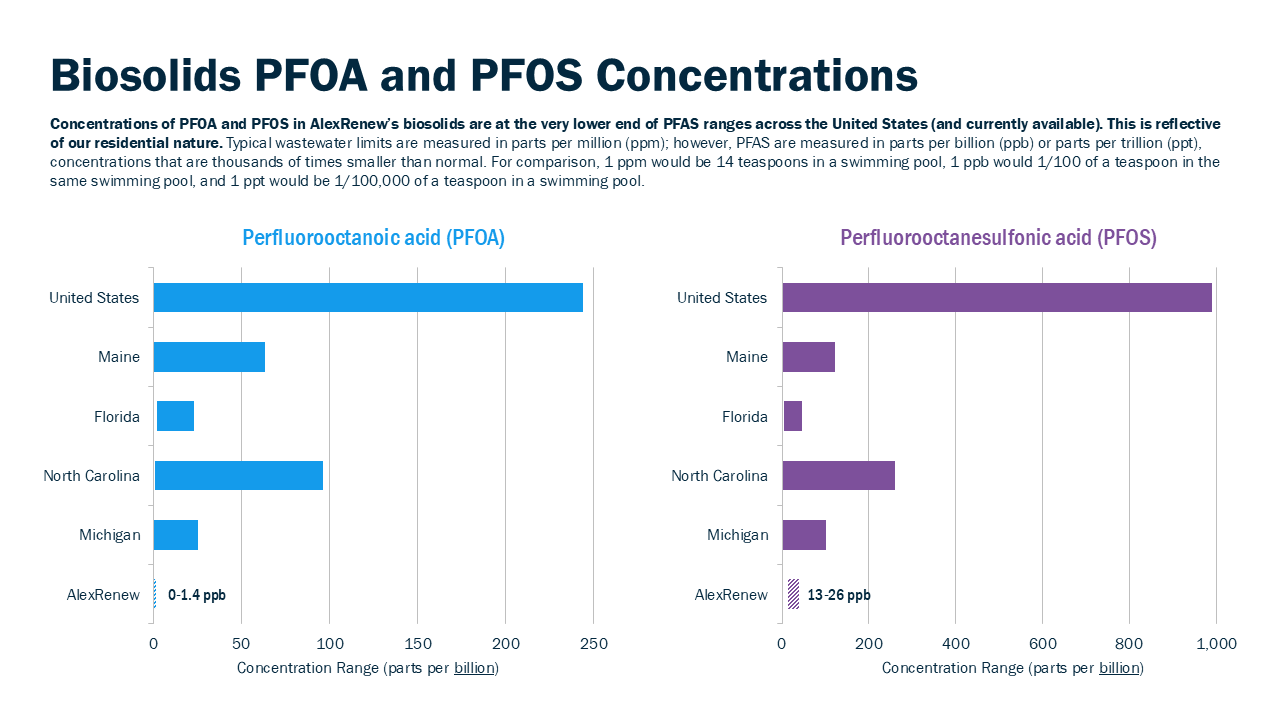
- Be aware of certain food packaging. Fast-food packaging and microwave popcorn bags often contain PFAS chemicals. Avoid ordering or heating up food that is wrapped in grease-resistant packaging.
- Avoid or minimize buying items that are "waterproof", "water-resistant" or "stain-resistant" unless absolutely necessary. Some clothing makers note that they are "PFAS free" in their product descriptions.
- Minimize PFAS exposure by avoiding carpets and upholstery that were treated to be stain or water-resistant.
- Replace non-stick cookware with stainless steel, cast iron, glass, or ceramic alternatives.
- For businesses – ask your suppliers if they can offer PFAS-free products.
- Our understanding of PFAS chemicals evolves constantly. Stay informed about PFAS research by reading regular updates from reputable sources.
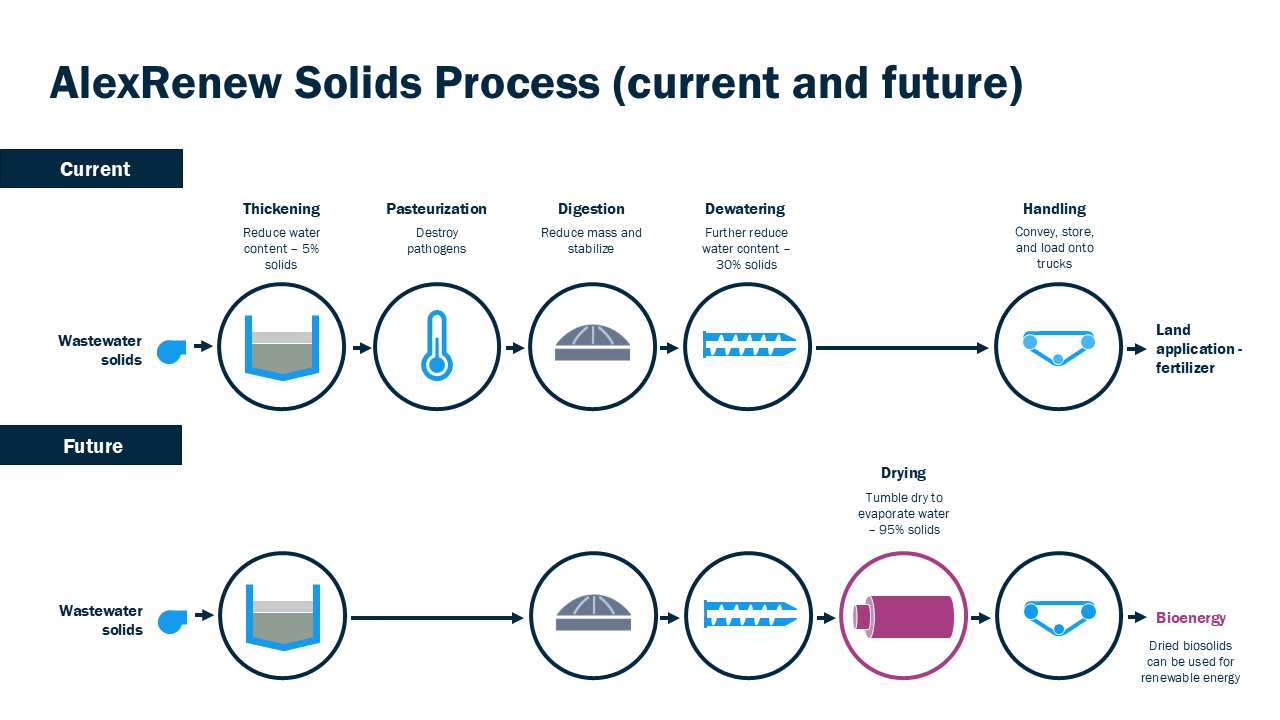
Every day, AlexRenew treats millions of gallons of wastewater for Alexandria and parts of Fairfax County. There are two biproducts produced as part of this treatment process: clean water discharged to the Potomac River, and solids, which are organic and inorganic materials that settle out of the wastewater.
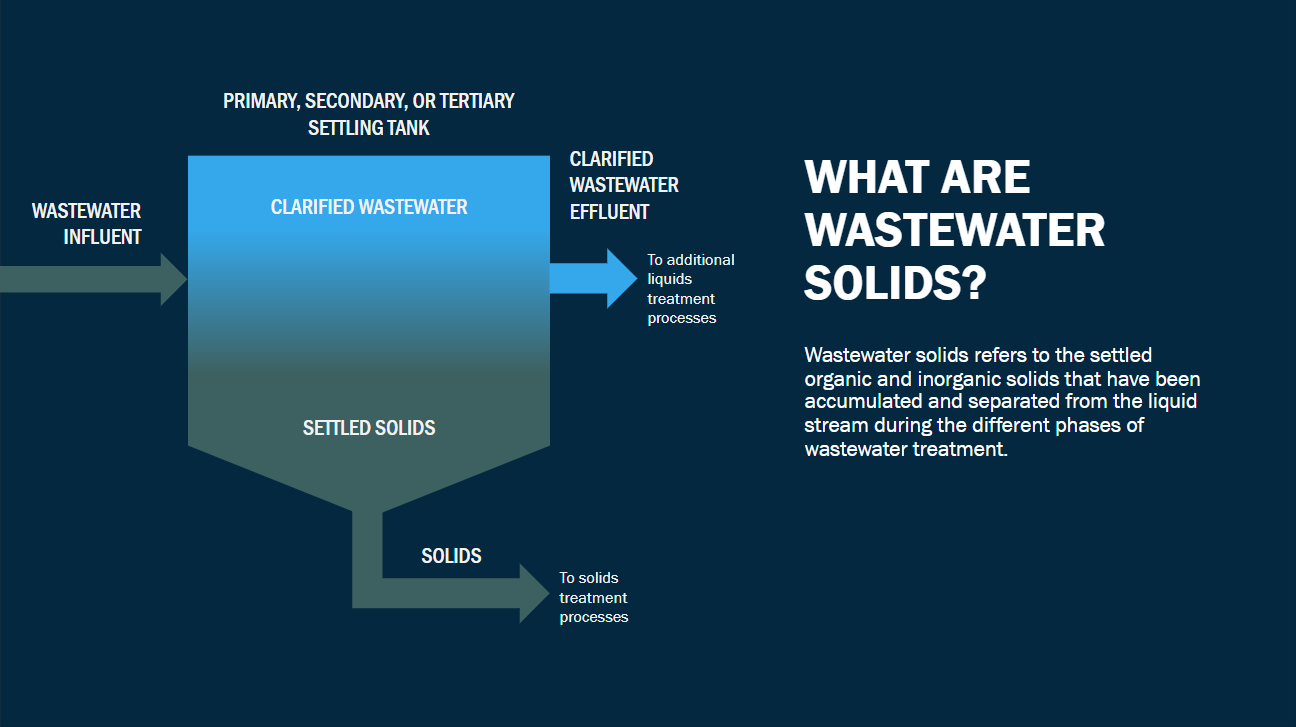
AlexRenew solids go through an extensive process for treatment. They are thickened to reduce water content, pasteurized to kill harmful pathogens, digested to reduce volume and odors, and then spun in centrifuges to remove additional water before the final product is hauled away. AlexRenew is investing $355 million to diversify our solids program so that future biosolids can be dried and used for bioenergy.